
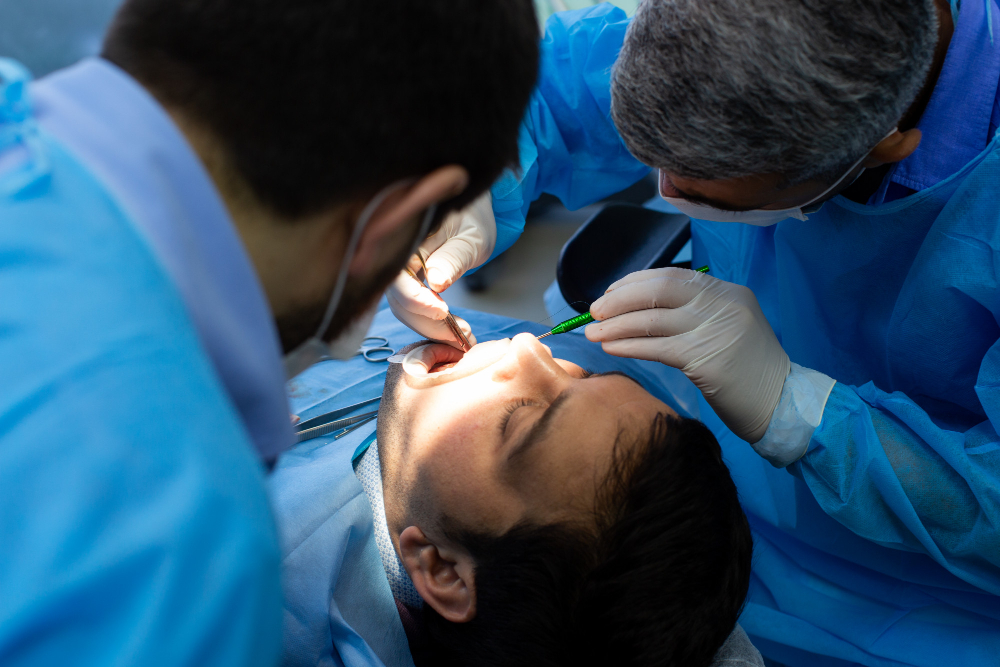
What is Flap Surgery in Dentistry?
Flap surgery in dentistry is a common treatment for gum disease. Dentists use this procedure to clean the roots of teeth and repair gum tissue. Often, it is called a gum flap procedure or periodontal flap surgery. During this surgery, the dentist lifts the gums to reach the area below. This helps remove harmful bacteria and tartar. As a result, it can save teeth and improve oral health.
When is Flap Surgery Needed?
Sometimes, regular cleaning is not enough to treat gum disease. In these cases, flap surgery may be needed. Dentists recommend this procedure when:
For many patients, flap surgery in dentistry is the next step to protect their teeth and gums.
Step-by-Step Flap Surgery Procedure
Understanding the steps can help reduce worry. Here is what usually happens during a dental flap surgery:
Most gum flap procedures take about one to two hours. However, the exact time depends on the number of teeth treated.
Benefits and Risks of Flap Surgery
Flap surgery offers many benefits. For example, it can:
However, like any surgery, there are some risks. These may include:
Still, most people recover well with proper care. Your dentist will discuss all risks and benefits before the procedure.
Recovery and Aftercare Tips
After flap surgery, good care helps speed up healing. Here are some helpful tips for flap surgery recovery:
Usually, stitches are removed in one to two weeks. If you notice heavy bleeding or pain, contact your dentist right away.
Prevention and Oral Hygiene Guidance
Even after a successful gum flap procedure, daily care is important. To prevent future problems, follow these steps:
With good habits, you can keep your gums and teeth healthy for years to come.
For more details or if you have concerns, consult a dental specialist Dr. Dr Srivatsav Casukhela for personalized advice on flap surgery.