
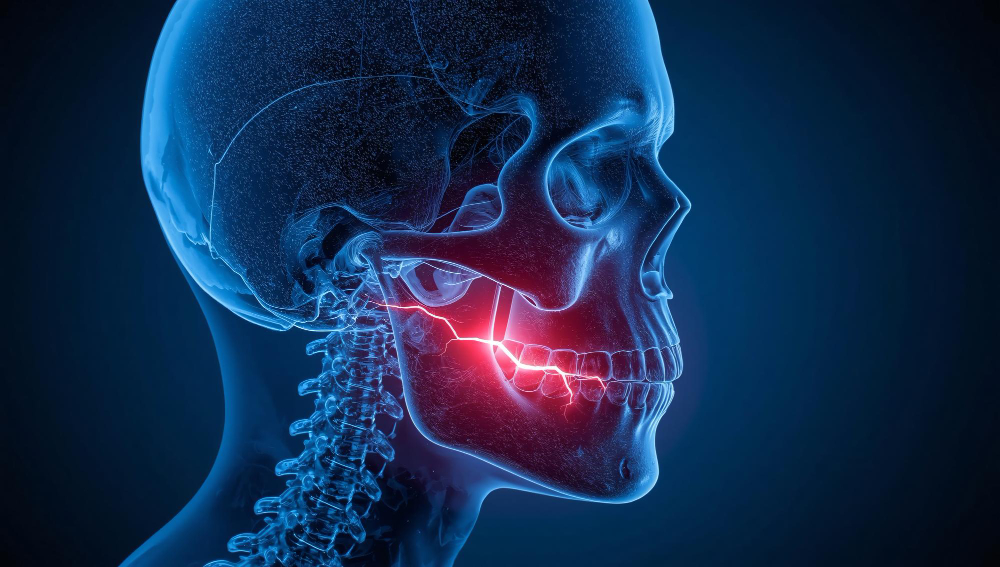
What is Lock Jaw?
Lock jaw is a condition where you cannot open your mouth fully. Often, it feels tight or stuck. Many people also call it trismus. Usually, lock jaw affects the jaw muscles. As a result, talking, eating, or even brushing your teeth can become hard. Although it may sound scary, lock jaw is treatable. Early care can help you recover faster. In some cases, lock jaw can signal a serious health problem. Therefore, it is important to know the signs and seek help when needed.
Common Symptoms of Lock Jaw
Lock jaw symptoms can vary from person to person. However, some signs are more common. For example, you may notice:
Sometimes, these symptoms can get worse over time. But with early treatment, most people feel better soon.
Causes of Lock Jaw
There are several lock jaw causes. Some are mild, while others need urgent care. For instance, common causes include:
Because some causes are serious, it is wise to see a dentist or doctor if you notice symptoms.
How Lock Jaw is Diagnosed
Doctors and dentists use several steps to diagnose lock jaw. First, they will ask about your symptoms and health history. Next, they may check how wide you can open your mouth. Sometimes, they will gently press on your jaw muscles to find sore spots. In addition, they might order X-rays or scans to look for bone or joint problems. Blood tests can also help rule out infections. With these tools, your doctor can find the cause and suggest the best treatment.
Treatment Options for Lock Jaw
Lock jaw treatment depends on the cause. However, most people get better with simple care. Common treatments include:
For rare cases caused by tetanus, hospital care is needed. But for most people, home care and dental visits are enough.
Tips for Managing and Preventing Lock Jaw
There are steps you can take to manage and prevent lock jaw. For example, you can:
By following these tips, you can lower your risk of lock jaw and keep your mouth healthy.
When to See a Dentist or Doctor
Sometimes, lock jaw can be a sign of a serious problem. Therefore, you should see a dentist or doctor if you:
Early care can prevent problems from getting worse. If you experience symptoms of lock jaw, consult a dental specialist Dr Srivatsav Casukhela for personalized advice.